
- Solar Energy System Pvt. Ltd. / Jul 28, 2026
As Nepal starts to focus on modern and energy-saving buildings, underfloor heating is becoming one of the top choices for heating homes, hotels, hospitals, offices and other buildings. Unlike radiators or electric heaters, underfloor heating spreads warmth evenly over the whole floor, making the inside of the building very comfortable and using less energy.
When used with air source heat pumps underfloor heating gives one of the heating systems that are both efficient and good for the environment. It works with low water temperatures, which lowers the overall operating cost and gives better comfort all over the building.
In this guide, we will cover everything you need to know about underfloor heating, including how it works, its benefits, where it is used, how it is installed, and why it is a great choice for Nepal’s weather.
Underfloor Heating
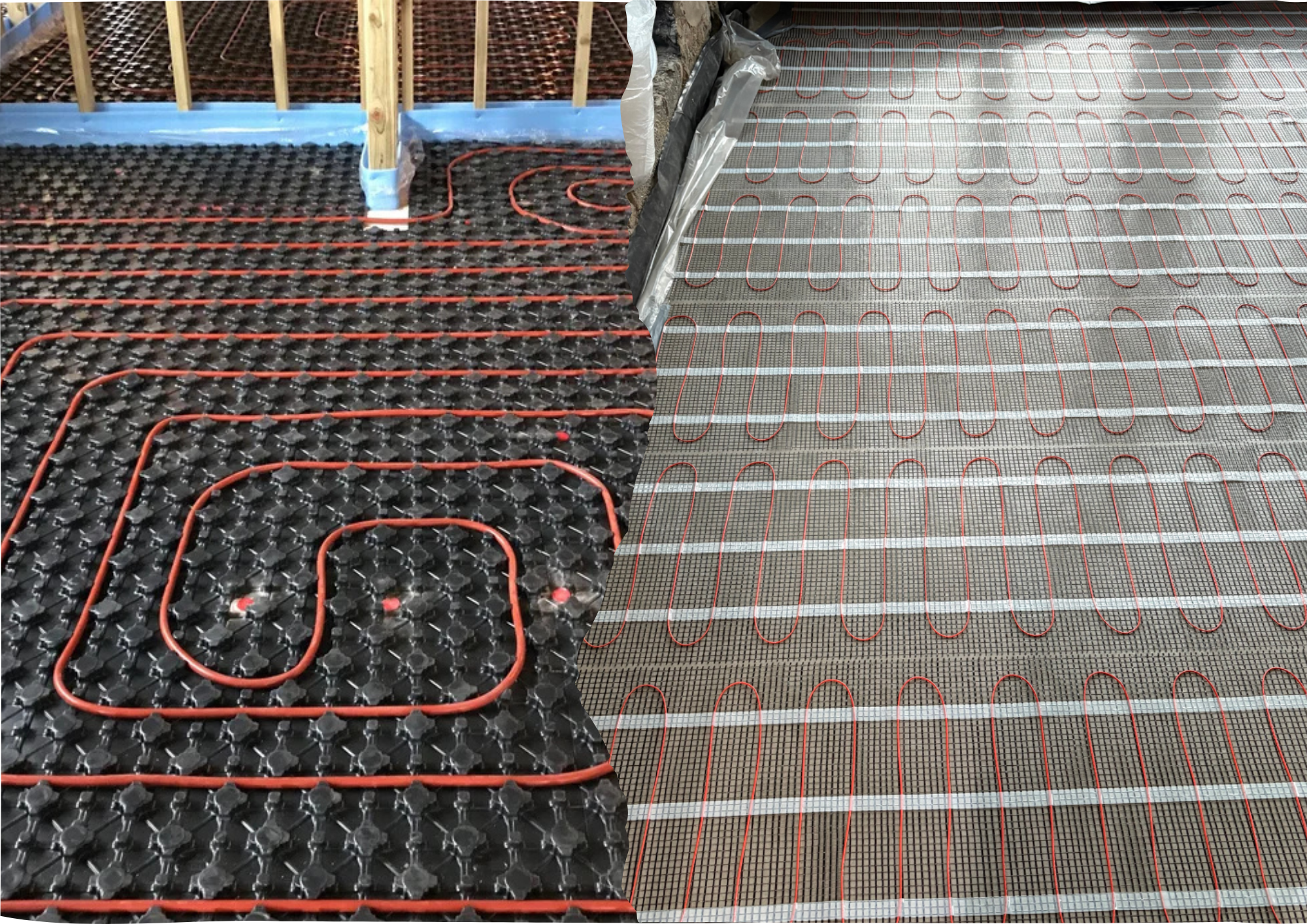
Underfloor heating (UFH), also known as radiant floor heating, uses water, water-based solutions, or an electric mat to transfer thermal energy from the water to the floors. Unlike a radiator, which concentrates heating in one area, UFH spreads heat evenly across the floor, eliminating the cold spots and providing a comfortable indoor environment.
There are mainly two types of UFH:
- Hydronic (Water-based) Underfloor Heating
- Electric Underfloor Heating
Types of Underfloor Heating System
Hydronic Underfloor Heating
Hydronic underfloor heating uses warm water to circulate through the water pipe loop inside the floor, especially PEX pipes, to move thermal energy to the floor. The water is heated using different sources like a solar thermal system, heat pumps, or a traditional heating source. Since its operating cost per unit area is very low, it is preferred in commercial buildings.
Electric Underfloor Heating
Electric underfloor heating uses a heating mat installed beneath the floor. It is generally preferred in spaces with smaller areas, such as bathrooms, kitchens, small residential homes, and in old buildings where installing pipes is not feasible. Although the installation is simple and quick compared to hydronic underfloor heating, its higher electricity consumption in large areas makes it less economical in large projects.
Advantages
Comfort
Since heat is distributed evenly across the room with no cold and hot spots, making people and objects inside the room warm, people do not lose heat to the room.
Energy Efficiency
Underfloor Heating System requires a low temperature to operate, which allows it to consume less energy while maintaining a comfortable indoor temperature.
Quiet Operation
As there are no fans and blowers, the system operates silently, making it a suitable heating option for sound-sensitive areas such as libraries or recording studios.
Clean and Healthy
The underfloor heating system does not rely on circulating air; dust particles do not spread across the room, thus reducing the risk of airborne diseases.
Is Underfloor Heating Suitable for Nepal?
Underfloor heating systems are suited to many parts of Nepal, especially in the regions where temperatures drop significantly during winter. Areas such as Kathmandu, Pokhara, Manang, Mustang, Humla, and other high-altitude regions experience cold weather for several months a year. With the increasing demand for energy-efficient buildings, underfloor heating has become an excellent solution for heating compared to conventional heating systems. It distributes heat uniformly across the room, eliminating cold spots and consuming less energy.
Why Choose Solar Energy System Pvt. Ltd.?
Nepal Solar Energy System Pvt. Ltd. provides complete solutions for underfloor heating systems from initial system design to final installation and commissioning. The company has over two decades of experience in clean energy projects, which can use multiple heating sources as per the site conditions and the user’s requirements.
- Underfloor Heating
- Underfloor Heating Nepal